
If you’re a leader who is looking for people to lean on and learn from, the last chance to join Glue Club in 2026 is Oct. Submit an application by Friday, Oct 9, and come join a community of generous, brilliant, thoughtful peers who can help you solve problems, figure out what you want out of work, and remind you that you’re not the only one dealing with all this weird shit.
A few months ago I put a poll on this Substack with one question: what topic do you want me to cover on WorkLife? The winner, by a landslide, was how do I find a job that actually fits me?
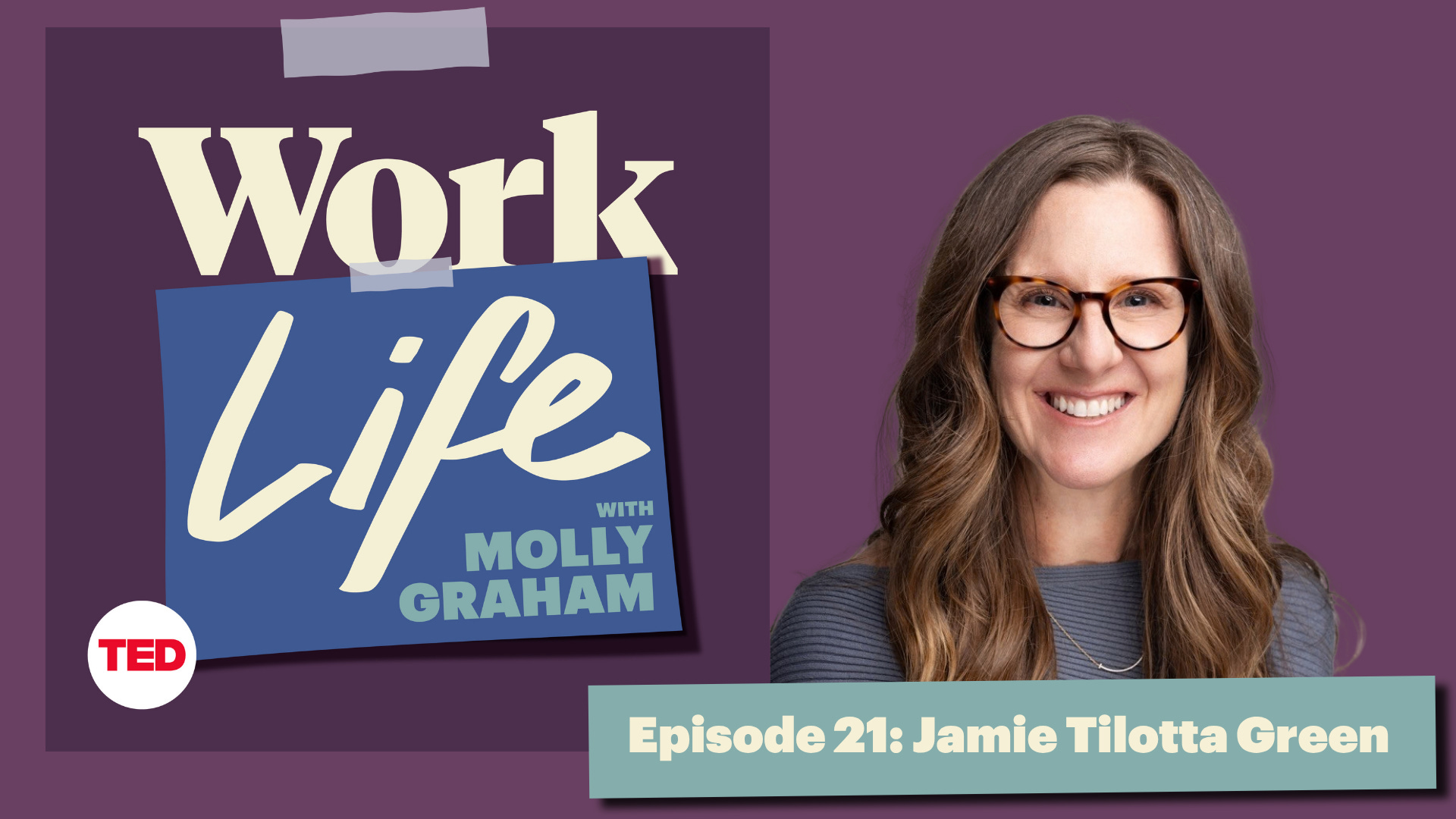
So for this week’s episode of the WorkLife podcast from TED, I talked to the person who taught me virtually everything I know about hiring, and a lot of what I know about navigating my own career. Jamie Tilotta Green has been an executive recruiter in Silicon Valley for more than 20 years. She and her firm, The Cole Group, have filled executive roles at OpenAI, Airbnb, DoorDash, Stripe, Figma, and many more. She has also talked me through more than one of my own career decisions.
I think most of us approach job searches backward. We spend enormous energy figuring out whether a company wants us. We study the job description, we prep, and then we try to convince them we’re exactly what they’re looking for. But every hiring decision has two sides: what the company needs, and what you need — what you’re great at, what you actually want to spend your days doing, and what kind of environment lets you be your best. Fit is about where (and whether) those two sides meet.
Jamie breaks fit into three parts: skills, culture, and motivation. Motivation is the one everyone skips. Companies say “we need someone who’s done it before” without asking why that person would want to do it again. Candidates chase the logo or the title without asking what they really want next. Motivation is about how much this job lines up with where you are in your own story.
And none of the three work unless they're authentic. If you dress up your skills, perform the culture, or fake the motivation, you might get the job. You won't get fit.
Here’s a taste of the conversation and some highlights:
You can listen to the full WorkLife episode anywhere you get your podcasts or watch it on YouTube.
3 Key Takeaways
1. Stop reading the news of your career.
Jamie’s phrase for how senior people tell their stories is “reading the news.” I took the company from $10M to $100M. We moved upmarket. I hired a bunch of people. It’s all headlines with no substance. And everybody says “I’m a great leader” and “I’m passionate about people,” so none of it means anything. A good story needs three things: the context (Jamie says every good story needs a villain, meaning why was this hard?), the insight you uncovered, and the result. You can tell that story in 30 seconds. To find yours, skip the resume and write about the times you did your best work. Then ask yourself why it was hard and why it mattered. One sales leader Jamie worked with realized through this exercise that she wasn’t a “Rolodex person” at all. She was the person who sat with customers and translated what they needed into entirely new product lines. Now she walks into interviews with a point of view nobody else in the pipeline has. And her story works because it's true. That's what makes it impossible for anyone else to tell.
2. Interviews are built to give you good news. Your job is to get good data.
Use interviews to find what's hard, because that's the actual job. Jamie's favorite question is some version of "What's the hardest part of this role?" Then keep pushing: "Why is that hard? Is it the market, the customers, the product?" The first answer is usually the polished one. The second or third "why" is where you find out what you'd really be walking into, and whether what you're great at is what they need. Then ask the postmortem question: "If I took this job and it didn't work out a year from now, what do you think the most likely reason would be?" People rarely get asked this, so you tend to get a more honest answer. And whatever they say is a pretty good map of where the landmines are. Good data is the truth about what the job really is and whether you're the person who can do it. Interviews won't hand it to you. You have to ask the uncomfortable questions and dig for what Jamie calls "the real deal on the work."
3. If the vibes are off, listen.
I’ve sat in interviews for jobs that were cool and sexy and that I really wanted, and gotten that sinking feeling of uh oh, I don’t think this is me. Every mistake I’ve made is a time I ignored that feeling. It’s a lot harder to listen when you’re desperate, and desperation comes in more than one flavor. One kind is I need any job to feed my family. Another is this job is so cool, I want it to want me. Jamie’s point is that forcing a fit doesn’t solve anything. You’ll be back on the market in six months, feeling worse. Her test for any offer right now: if it doesn’t work out, will I have learned so much that I’m in a totally different place? Will it still be worth it?
Stop contorting yourself into a pretzel to get the offer. Companies can tell. Authenticity is attractive, and it’s what makes you the strongest hire.
Jamie’s one thing she wants everyone to hear: “Your story is a representation of who you are, and the more you know about that, and the more you can express that through examples of your work, the more likely you are to be able to find fit.”
You can listen to the full WorkLife episode anywhere you get your podcasts or watch it on YouTube.
What else?
If this resonates with you, here are things you can do next:
Subscribe to Lessons to get new posts. I post at least 2X per month for all, and paid subscribers also get access to video courses and the full library of content.
Listen to the WorkLife podcast, where I talk to brilliant leaders and builders to untangle the messy, human side of work.
Follow me on LinkedIn, where I share more tools, thoughts, and a little of the day-to-day chaos.
If you’re a leader looking for a community of peers to lean on and learn from, come find out more about Glue Club over here.
My team and I run keynotes, workshops, and leadership cohorts inside companies that help leaders lead well through fast growth and change.
For senior women leaders looking to build empowering relationships, check out the Guild.