
The Work Twisties
Getting lost in your career and finding yourself again with Ify Walker
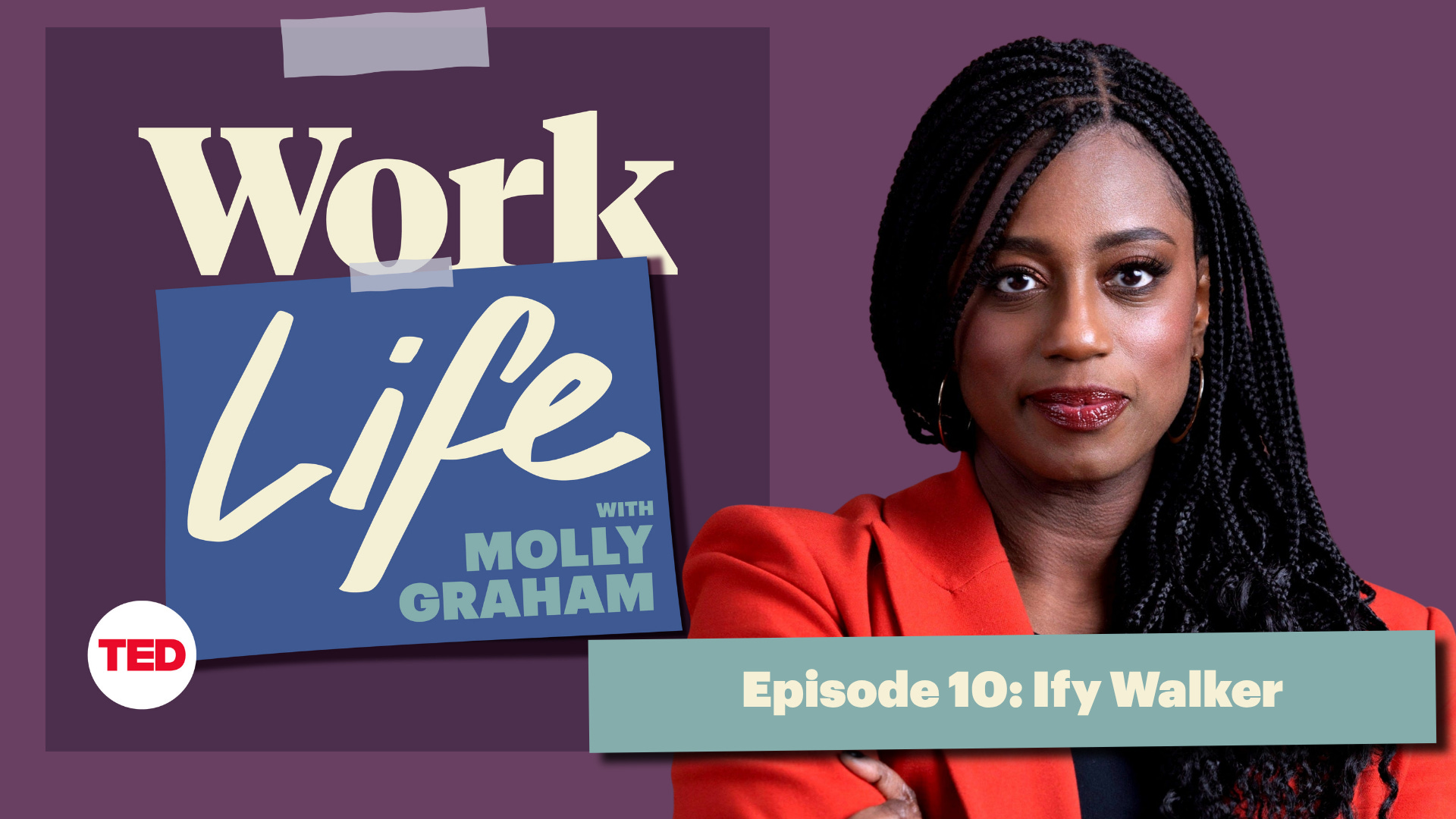
You can listen to the full WorkLife episode anywhere you get your podcasts or watch it on YouTube.
I’ve made most of the decisions in my career based on intuition. I listened to thoughts and advice from the people around me, but in the end, I just went with my gut. And luckily, for many years, they turned out to be great decisions. It really made me trust my gut and also trust myself. I got to the middle of my career and felt like I had an almost infallible sense of the decisions that were right for me.
But then I made a career decision that turned out to be a mistake.
On paper, it looked like a great job, but fundamentally, for many reasons, it was the wrong one for me. Making that decision based on what I thought were the same instincts that had previously felt infallible, only to have it be wrong, was one of the most confusing moments I’ve ever had in my career. I’d finally gotten what I’d always thought I wanted, and it made me miserable. How did I end up here? And why?
I got lost.
Not burnt out. Not overwhelmed. Lost.
I was literally crying at my desk most Mondays on this job — a sure sign it wasn’t right — and I felt completely paralyzed. I had no idea how to move forward. I was completely disoriented, and taking any step felt terrifying because I no longer trusted myself or my instincts. Fundamentally, I felt like I really lost my sense of who I was, not just what work was right for me.
The thing about getting lost in your career is that it is very easy to feel like you are the only person who has ever felt this way. Everyone seems to be striding forward confidently, and you are just stuck in a mud puddle, possibly full of quicksand. It is a very lonely feeling. And that loneliness can compound the sense of stuckness.
I did a lot of work to get myself out of that stuck moment. It honestly took me years. But it wasn’t until I met Ify Walker that I shed the loneliness, embarrassment, and confusion that came with what I experienced. Because she had a name for it! Ify calls it “The Work Twisties.”
Now, a moment to just say that Ify is one of those people you meet and immediately feel seen by. She makes you feel calmer. In our first conversation, I felt like I’d met not only a lifelong friend but also someone I could learn from.
She described her own experience of getting lost in her career using a gymnastics concept made famous by Simone Biles at the Tokyo Olympics: the twisties, where a gymnast loses their sense of place and position in the air. Simone said her mind and body had disconnected, and she felt she couldn’t trust either. That’s the twisties: not a lack of skill, but a disconnect between what you know how to do and your ability to actually do it. For gymnasts, it’s incredibly dangerous.
Hearing Ify describe “The Work Twisties” and her own experience of losing herself after her father died made me understand my own experience better. Ify’s dad was the person who told her to go play football when her mom said no. He was the one who made her feel like the rules didn’t fully apply to her — or that she could figure out whatever the rules were. When he died, she didn’t just lose him; she lost her compass.
Our triggers were completely different, but our experience of feeling lost was incredibly similar. Ify said that for most of her life, purpose, place, and protection had just come to her. Just like I was able to make intuitive decisions without overthinking, Ify didn’t have to look for her source of conviction or confidence. And then all of a sudden, she did. She had to rebuild her own sense of safety and clarity rather than inherit it.
I invited Ify to come on the WorkLife podcast to talk about “The Work Twisties” because hearing her story was so helpful to me. Giving my disorienting experience a name and language made me feel more sane. Realizing that lots of other people go through this made me feel less lonely.
In the episode, we also both talk about what it took for us to find ourselves again.
For Ify, getting out of her twisties meant two things: she stopped outsourcing her judgment to other people’s advice, and she learned to trust the smallest, most factual step in front of her instead of the story she was telling herself about how things would go.
For me, it meant realizing the different voices in my head weren’t all pulling in the same direction — and that some of the parts of myself I’d always trusted weren’t serving me the way they used to. I left that job, and then I spent years and made plenty of mistakes, relearning how to make career decisions I could actually trust again.
We’re both out of our twisties now. I don’t think I’ll ever fully forget what it felt like to be in them and how much I wish I’d heard Ify’s story earlier in my journey. That is exactly why I wanted her on the show.
What else?
If this resonates with you, here are things you can do next:
Subscribe to Lessons to get new posts. I post at least 2X per month for all, and paid subscribers also get access to video courses and the full library of content.
Listen to the WorkLife podcast, where I talk to brilliant leaders and builders to untangle the messy, human side of work.
Follow me on LinkedIn, where I share more tools, thoughts, and a little of the day-to-day chaos.
And if you’re a leader looking for a community of peers to lean on and learn from, come find out more about Glue Club over here.