
The Business Case for Giving Things Away
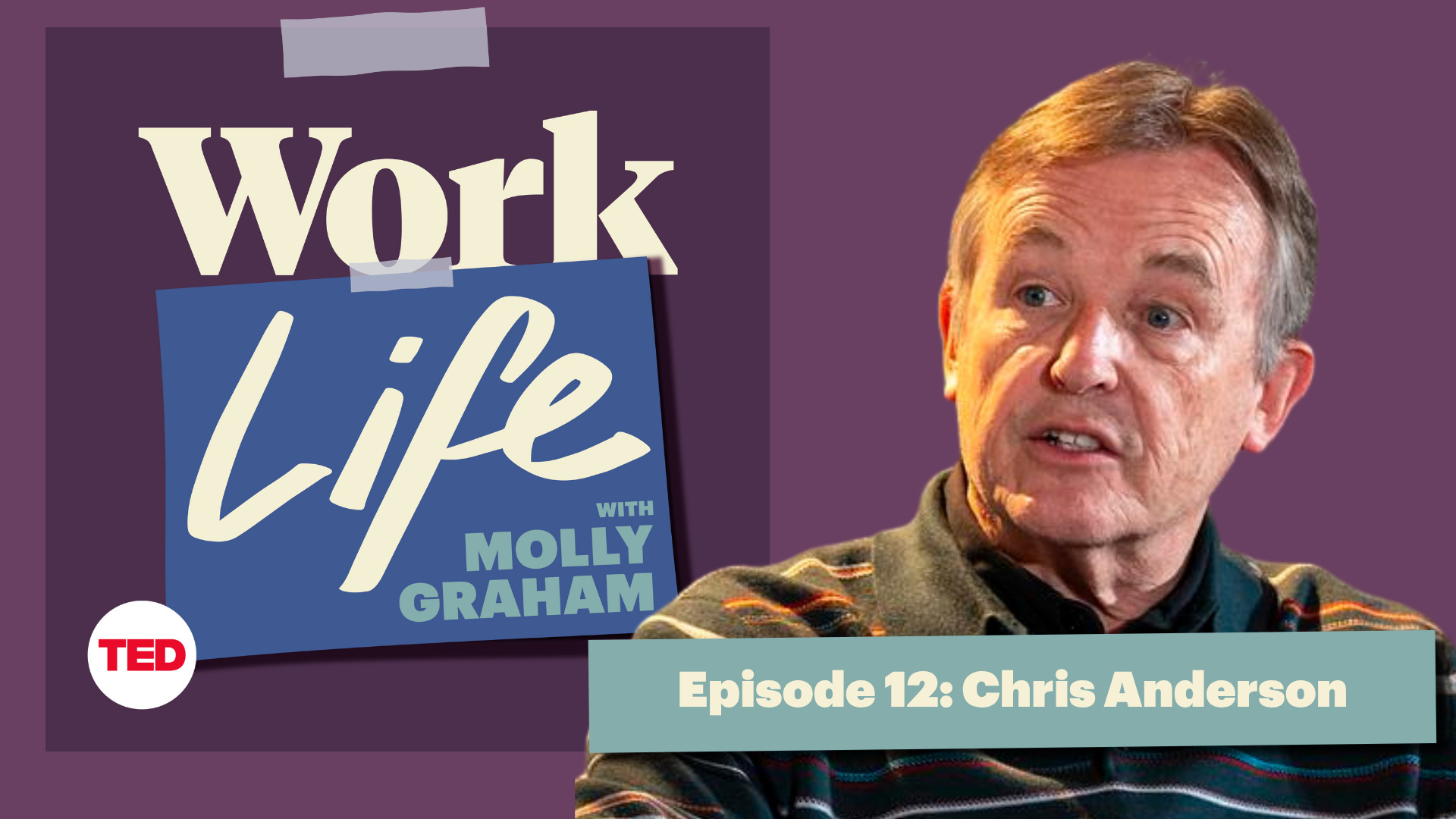
Radical Generosity with Chris Anderson
With Amazon Music, you can discover the WorkLife episodes most relevant to you. Listen to WorkLife on Amazon Music.
Thirteen years ago, I wrote about “giving away your Legos” — how important it is to hand off pieces of your job if you want to grow as fast as your company is growing. That article has traveled, and I’ve written more about it since then because I wanted to do justice to how hard it is to give away your Legos, even if it’s essential.
But everything I’ve written about letting go has been about how important it is for your professional growth — that part of what you need to do in your career is learn to evolve and grow.
At the TED conference in April, I spent an hour on stage with Chris Anderson, the CEO and steward of TED for 25 years, and he made the same point but in a different context — that letting go is essential for your business’s growth.
When Chris took over TED in 2003, TED’s product was an exclusive, invitation-only conference — expensive, in-person, scarce by design. It was loved by the attendees and relatively unknown outside elite circles. In 2006, Chris’s team put six TED talks online for free as an experiment. There was debate and concern inside TED that it would kill the reason anyone paid to attend the conference. Instead, once the talks were online and at least one went viral, demand for the conference skyrocketed. So they decided to make all TED Talks available online for free. Now TED Talks have been watched billions of times, and TED is a global brand.
Then, Chris realized that they were limited by how many conferences their team could personally run. So TED decided to run an experiment: letting total strangers use TED’s name and format to run their own events, with no revenue for TED and very little control over what happened on stage. They called it TEDx. Harvard Business Review wrote an article calling it “How TED Lost Control of its Crowd.” Chris calls it the smartest thing they ever did. TED went from one event a year to 4,000.
Both moves broke the same instinct: protect the valuable thing, keep the scarcity, guard the brand. Both times, giving it away is what actually made the business bigger.
Chris had a lot of tactical insight about what to think about when you’re giving things away, but his main point is that every business has an opportunity for “radical generosity,” as he calls it, that will help, not hurt, their business. (To hear the tactics, listen to the full episode.)
Just like the “give away your Legos” advice, none of this is intuitive. If it were, every company would already be doing it. The instinct to hold on tighter as something gets more valuable is strong. But Chris isn’t arguing that you should give things away because it feels good or because it’s the generous thing to do. He’s arguing it because he watched it work, twice, at a scale most of us will never touch: online talks nobody had to pay for, a brand nobody at TED controlled anymore. Both should have diluted what TED was. Instead, it’s what made TED matter.
The thing your business is protecting the hardest might be the thing worth giving away first.
You can listen to the full WorkLife episode anywhere you get your podcasts or watch it on YouTube.
What else?
If this resonates with you, here are things you can do next:
Subscribe to Lessons to get new posts. I post at least 2X per month for all, and paid subscribers also get access to video courses and the full library of content.
Listen to the WorkLife podcast, where I talk to brilliant leaders and builders to untangle the messy, human side of work.
Follow me on LinkedIn, where I share more tools, thoughts, and a little of the day-to-day chaos.
And if you’re a leader looking for a community of peers to lean on and learn from, come find out more about Glue Club over here.