
New WorkLife episode: Mark Rober on how to play the long game without losing yourself
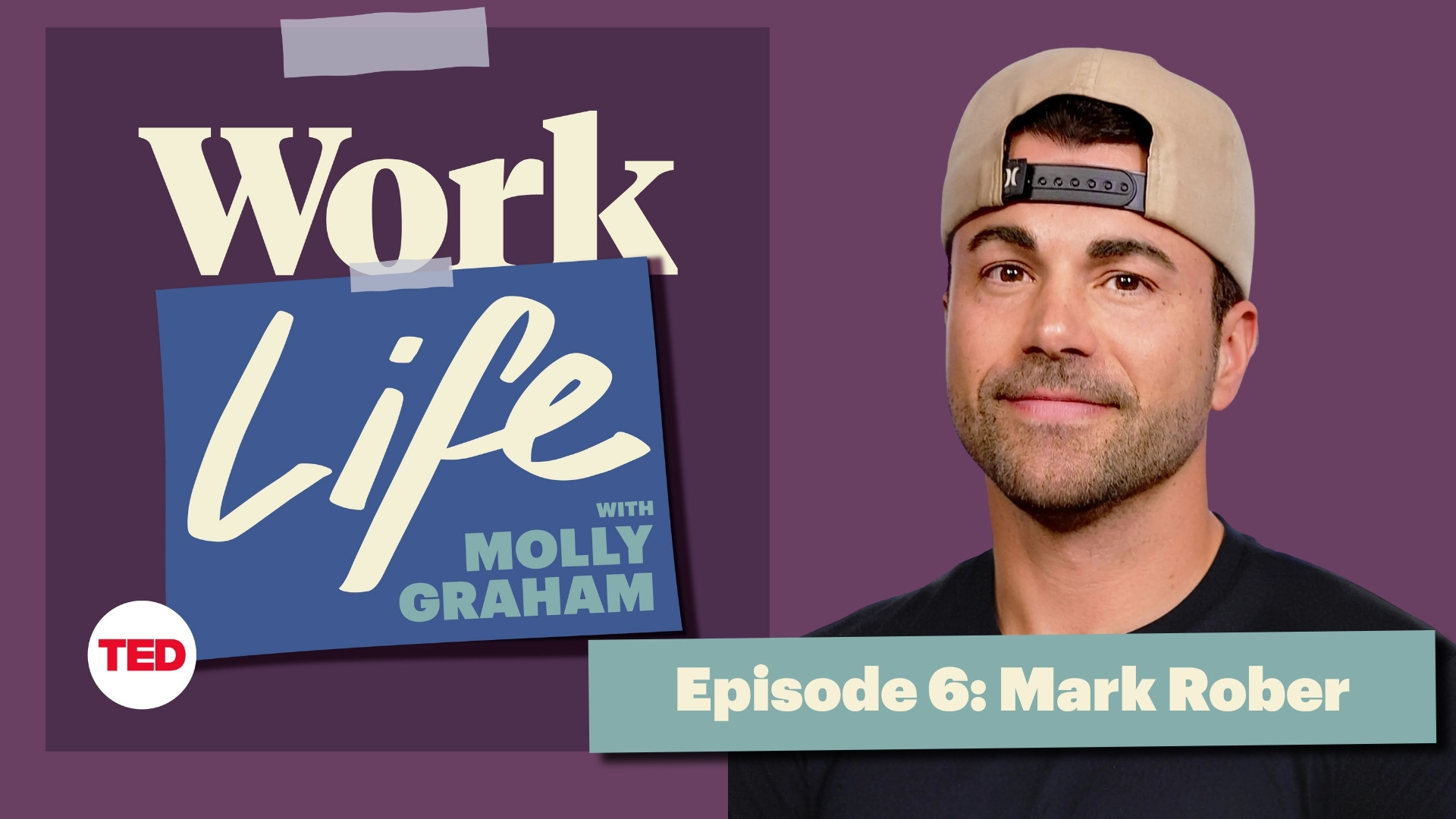
Most people I talk to are exhausted by their work in some way — they're running too fast, chasing the wrong thing, or measuring themselves against everyone else. Mark Rober seems to be a genuinely rare exception. He's one of the most-watched creators on YouTube — 75 million followers, 16 billion views — and he got there by posting one video a month for 15 years. Slow and steady. And in an industry that seems to push creators toward unsustainable habits, somehow he seems more energized than burned out, more focused than scattered, more inspired than ever.
I wanted to understand how that's possible and what all of us can learn from him. Turns out it has almost nothing to do with YouTube, and everything to do with how he runs his life.
You can listen to the full WorkLife episode anywhere you get your podcasts or watch it on YouTube, but here’s a sneak peek:
Key takeaways
1. Know your why before the incentives get their hooks in you.
Mark started posting on YouTube before you could make money on YouTube. That timing matters more than it sounds — his motivation was set before fame or money were even on the table, which is why neither one distorts him now. He told me there are a thousand great reasons to start a YouTube channel and only two bad ones: to get rich and to get famous. “Because you’ll never be rich enough. And when you get famous enough, you’re like, why did I ever want this?”
Most of us don’t set our principles before the incentives arrive. We take the job, feel the pressure, start optimizing for the metrics in front of us — and then wonder why we feel hollow. Mark’s version: decide what you’re for before the system decides for you.
2. Sustainability is a competitive advantage
Mark has this image that I’ve thought about a lot since our conversation: keep the treadmill at a speed you can actually maintain for years. Not sprint speed, not the pace that feels exciting when you first get momentum — the speed you could keep going and going. He watched a lot of creators do the opposite: get traction, hire a team, crank up the output, and burn out before the dopamine caught up.
His sustainability isn’t just about personal energy — it shows up in how he built his businesses too. He didn’t quit his day job until he had 10 million subscribers. Didn’t launch Crunch Labs until he could fund it himself. He frames this not as caution but as how you maximize total output over a lifetime. Slow and sustained beats fast and collapsed.
3. Emergence: Get the principles right and the destination takes care of itself
Mark doesn’t have a ten-year vision. What he has instead is a clear set of principles — and he trusts that if he keeps making decisions based on those principles, something good will compound out of it. He borrowed a word from biology for this: emergence. The way a beehive produces something extraordinary without any single bee having a master plan. Each bee just follows simple rules, consistently, and the whole becomes something none of them could have designed.
We put so much pressure on ourselves to have The Vision, The Plan, The Five Year Goal. Mark’s point is that if you get your principles right and apply them consistently, the destination takes care of itself. You don’t need to know which rock you’ll be standing on in ten years. You just need to know which principles you use to choose the next rock.
What Mark Rober is doing with Class CrunchLabs — building a free, open-source science curriculum for third through eighth graders, giving it away to teachers — is what happens when someone builds patiently, stays rooted in their original purpose, and eventually has enough to give something meaningful back. It’s inspirational.
Try this
Similar to the episode with Patty Stonesifer, do you have a few principles that help guide how you choose the work that you want to do? Do you know why you do the work you do? Are these answers leading somewhere you want to go?
Identify one place in your work where you've cranked the treadmill past a pace you can sustain. What would it look like to dial it back — not to stop, but to find a speed you could imagine keeping for five more years?
If this conversation sparked something, share it with a leader in your orbit who needs to hear the treadmill idea or the emergence idea.
What else?
👋Hi! I’m Molly. This is where I share the lessons I’ve learned from building fast-moving, messy, ambitious companies. If you’re new here, here’s what you can do to stay connected:
Subscribe to Lessons to get new posts. I post at least 2x per month for all, and paid subscribers also get access to video courses and the full library of content. We’ll also post here every time a new episode of WorkLife comes out.
Follow me on LinkedIn, where I share more tools, thoughts, and a little of the day-to-day chaos.
And if you’re a leader looking for a community of peers to lean on and learn from, come find out more about Glue Club over here.
Our 5 year old is obsessed with Mark Rober - she wants to be an engineer.